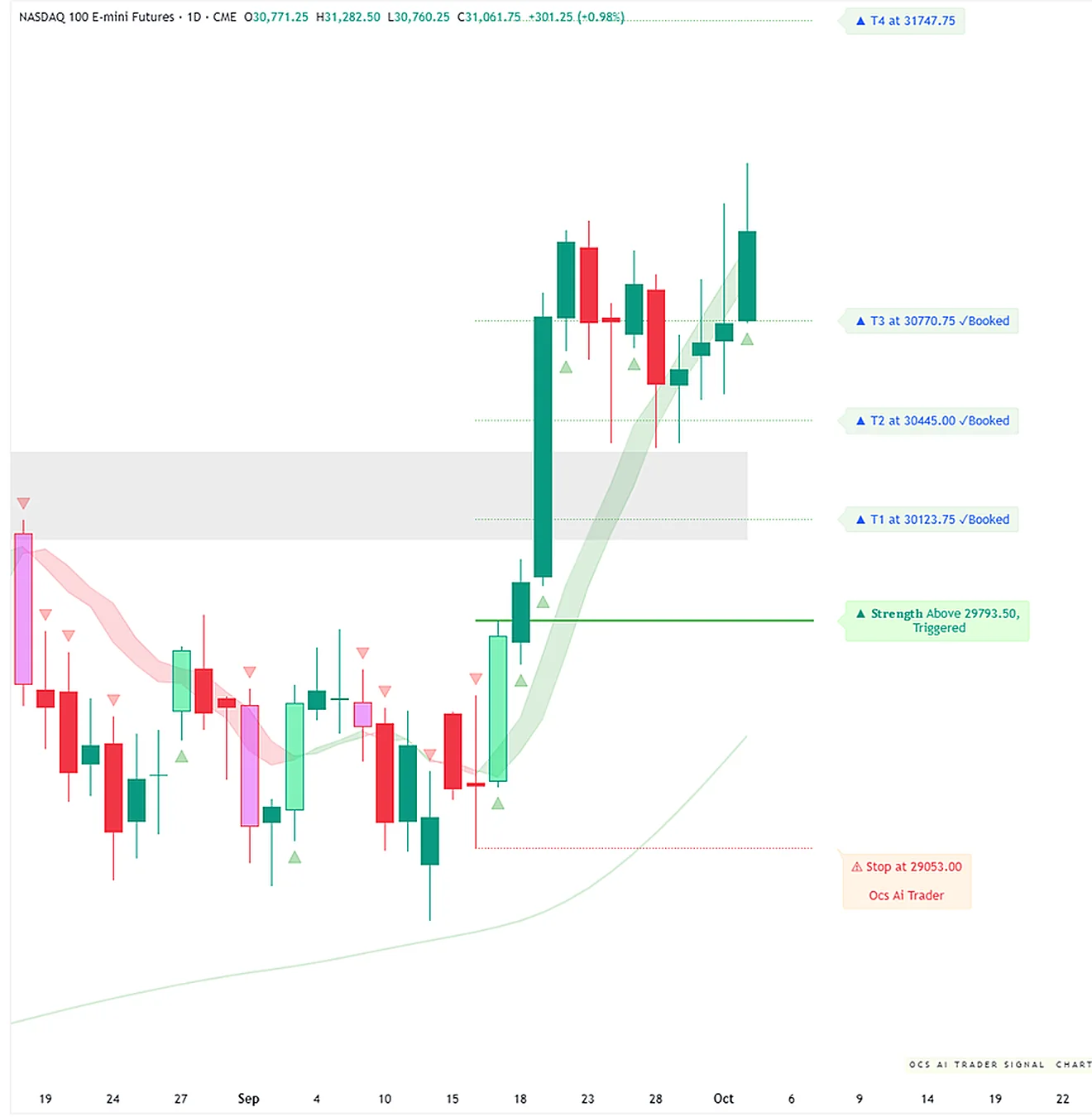
Fed’s Hawkish Pivot: The DXY Surge and the Carry Trade Liquidation Trap
The global macro landscape shifted on November 11, 2026, as the "pivot" narrative—long the comfort blanket of equity bulls—was effectively dismantled. Federal Reserve Vice Chair for Supervision Michelle Bowman’s commentary, combined with the latest hot CPI data, has forced a violent repricing of the terminal rate. The market is no longer pricing in a "soft landing" or a pivot; it is pricing in a "higher-for-longer" regime that threatens to drain global liquidity.
This report traces the cascading impact of this hawkish shift, from the immediate surge in the DXY to the non-obvious feedback loops threatening the stability of high-beta tech assets and emerging market currencies.
The Layered Impact Chain
Layer 1: The Catalyst — The Fed’s Hawkish Repricing
The immediate reaction was a sharp tightening of financial conditions. Bowman’s insistence that inflation remains the central bank’s top priority, coupled with firming labor market conditions, has effectively removed the "dovish" tail risk from the market.
- Direct Impact: The DXY has surged as capital flows aggressively into USD-denominated assets.
- Market Action: We are seeing an immediate sell-off in fixed income (TLT, LQD) as yields spike across the curve, directly impacting the discount rates used for equity valuations.
Layer 2: Secondary Effects — Sector Rotation and Carry Pressure
As the yield differential between the US and other major economies widens, the "carry trade" dynamic has become the primary driver of FX volatility.
- Capital Flight: We are witnessing a classic "risk-off" rotation. Capital is fleeing emerging markets (EM)—pressuring the USDINR and broader Nifty complex—and rotating into the safety of the USD.
- Margin Compression: For high-growth tech firms (NQ, QQQ), the rising cost of capital is no longer a theoretical risk; it is a valuation reality. The discount rate applied to future earnings is being adjusted upward, forcing a re-rating of high-multiple growth stocks.
Layer 3: Macro Propagation — The Global Liquidity Squeeze
The ripple effects are now hitting the core of the global financial plumbing.
- The Real Yield Trap: Gold (XAU, GLD) is caught in a vice. While inflation remains sticky (usually a gold-positive), rising real interest rates increase the opportunity cost of holding non-yielding assets. This is creating a "real yield trap" where precious metals fail to act as a hedge against the very inflation they are supposed to combat.
- EM Stress: Central banks in emerging markets are being forced to tighten domestic financial conditions to defend their currencies against the surging USD, further suppressing global growth prospects.
Layer 4: Non-Obvious Connections — The 'Carry-Trade Liquidation Feedback Loop'
This is the most critical risk for the coming weeks. The "Carry-Trade Liquidation Feedback Loop" is a recursive mechanism:
- Hawkish Fed Repricing drives USDJPY higher.
- USDJPY strength triggers BoJ intervention fears or volatility-induced margin calls on yen-funded carry trades.
- Liquidation: To cover these yen-denominated short positions, investors are forced to liquidate liquid assets—specifically US tech stocks (NQ/QQQ).
- Result: A liquidity-driven selloff in US tech that has nothing to do with earnings and everything to do with FX-driven margin calls.
Unified OCS Chart Read
Note: OCS chart evidence for NQ, USDJPY, QQQ, GLD, and XAU is currently deferred to the asynchronous repair queue. No specific chart levels, liquidity pockets, or delta signals are available at this time. The analysis below is derived from fundamental and price-action data.
Security-by-Security Analysis
USDJPY
- Context: The epicenter of the carry trade. As the US-Japan yield differential widens, USDJPY is testing critical psychological resistance near the 150.00 level.
- Risk Note: A break above 150.00 could trigger a "volatility event" as the market tests the BoJ’s resolve to intervene. The carry-trade unwind risk is elevated.
EURUSD
- Context: Currently under significant pressure as the ECB’s policy trajectory looks increasingly dovish compared to the Fed’s hawkish stance.
- Levels: The 1.08 level serves as the critical line in the sand. A sustained break below 1.08 would signal a deeper structural move toward parity, driven by the divergence in central bank rhetoric.
QQQ (Nasdaq-100 ETF)
- Current Price: $674.76 (-0.68%)
- Analysis: The QQQ is feeling the full weight of the discount rate adjustment. With the 20-day SMA at 700.86, the current price of 674.76 shows the index trading well below its short-term trend.
- Risk Note: The "Carry-Trade Liquidation Feedback Loop" mentioned in Layer 4 makes QQQ particularly vulnerable to sudden, liquidity-driven gaps down. Watch for further support testing if yields continue to climb.
GLD (Gold ETF)
- Current Price: $369.36 (-2.68%)
- Analysis: Gold is currently failing the "inflation hedge" test. The surge in real yields is overriding the inflation narrative.
- Levels: With the 20-day SMA at 372.04, gold is struggling to maintain its base. The real yield trap suggests further downside if the Fed remains hawkish.
INFY (Infosys)
- Current Price: $12.59 (+1.61%)
- Analysis: Interestingly, INFY is showing resilience, potentially due to its role as an exporter. However, the Layer 4 analysis warns that the discount rate impact on US tech clients (their primary revenue source) may eventually offset the currency tailwind of a weaker INR.
Historical Parallels
The current setup bears a striking resemblance to the Q3 2022 market environment, where the Fed’s aggressive "dot plot" revisions caught the market off-guard, leading to a rapid strengthening of the DXY and a concurrent sell-off in both growth equities and safe-haven assets. The key difference today is the heightened fragility of the carry trade, which was less of a factor in 2022.
Outlook & Risk Matrix
Short-Term (1-5 Days): Volatility Spike
Expect heightened volatility in FX markets, particularly in USDJPY and EURUSD. Equity markets (NQ, ES) will likely remain sensitive to any further hawkish rhetoric from Fed officials. The primary risk is a "gap risk" where standard options models may under-account for the speed of the repricing.
Medium-Term (1-4 Weeks): Structural Re-rating
If the Fed maintains this hawkish stance, we expect a continued rotation out of high-beta tech and into defensive assets or cash. The "Carry-Trade Liquidation Feedback Loop" remains the primary tail risk; if USDJPY continues to climb without a corresponding rise in JGB yields, the risk of a disorderly unwind increases significantly.
Scenarios
- Base Case: Fed maintains a hawkish bias, DXY grinds higher, and equity multiples continue to compress (slow grind lower).
- Bull Case (for equities): Economic data softens unexpectedly, forcing the Fed to moderate its stance, leading to a rapid reversal in yields and a relief rally in NQ/QQQ.
- Bear Case (Liquidity Crisis): USDJPY breaks 150.00 decisively, triggering a cascade of margin calls in carry trades, forcing a fire-sale of US equities and a spike in VIX.
What to Watch
- USDJPY 150.00 Level: The primary indicator of carry-trade stress.
- US Real Yields: If these continue to climb, expect sustained pressure on GLD and NQ.
- BoJ Rhetoric: Any hint of intervention will be the primary counter-signal to the current DXY rally.
- Fed Speaker Schedule: Any deviation from the "higher-for-longer" script will be the only catalyst for a meaningful market reversal.
Education and market research only, not financial advice. Charts are OCS AI Trader readings at the time of writing and change with new bars.